
Overview
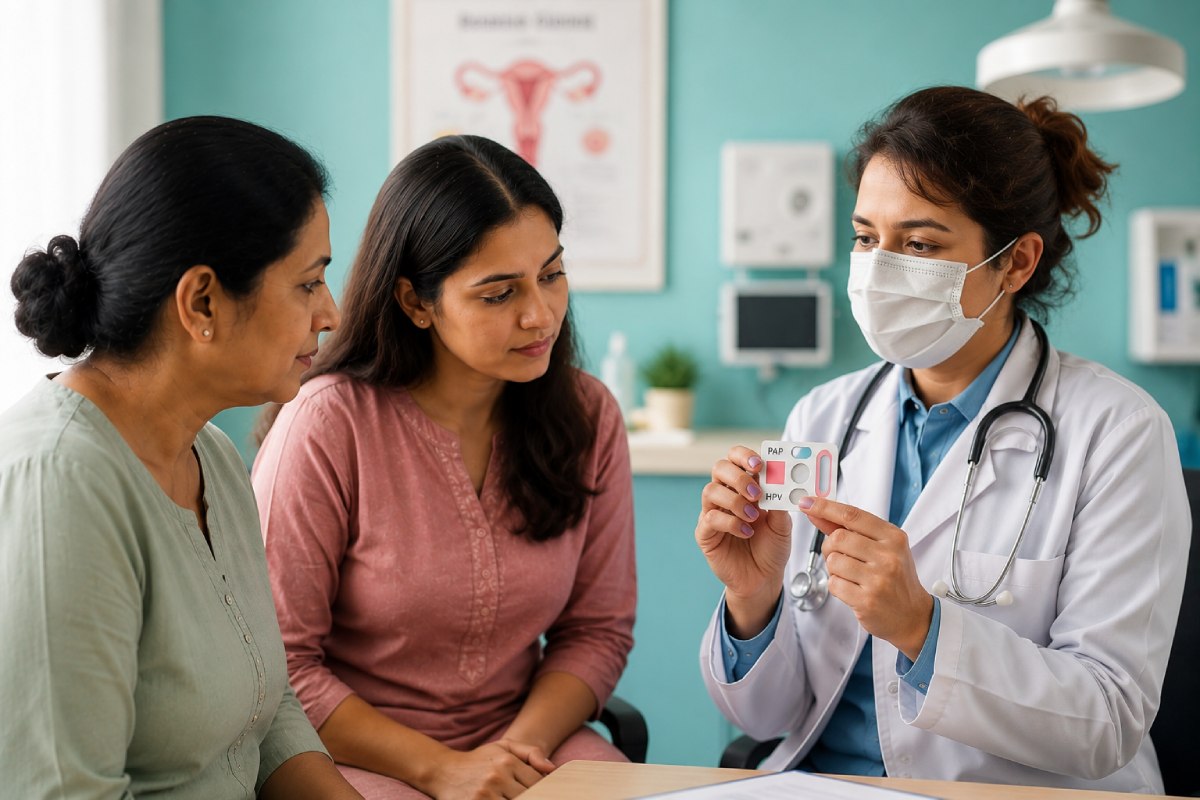
Cervical cancer is one of the cancers that can often be prevented or detected early through regular screening. A simple screening test can identify cervical changes before they become more serious.
Regular cervical screening, together with HPV vaccination where appropriate, is an important part of preventive women's healthcare. We explain your results clearly and guide you on the next step when further evaluation is needed.
What is included
- Pap smear as recommended based on age and screening history
- HPV DNA testing for higher-risk HPV detection
- Colposcopy for abnormal screening results when indicated
- HPV vaccination counselling
- Quick OPD screening procedure with minimal discomfort
Simple screening for better protection
Cervical screening helps detect abnormal cervical changes at an early stage, when they can often be monitored or treated before developing into cervical cancer.
Depending on your age, previous screening results and individual risk factors, your doctor may recommend a Pap smear, HPV testing or further evaluation such as colposcopy. We help you understand which screening approach is appropriate for you.
Frequently asked questions
How often should I get a Pap smear?
Screening intervals depend on your age, screening method and previous results. In many guidelines, cervical screening is performed every 3 years with cytology alone or at longer intervals when HPV-based screening is used.
Is the test painful?
Cervical screening is usually quick and may cause some mild, temporary discomfort or pressure. The procedure generally takes only a few minutes.
Why is HPV testing done?
Persistent infection with certain high-risk types of HPV is a major cause of cervical cancer. HPV testing can help identify women who may need closer monitoring or further evaluation.


